
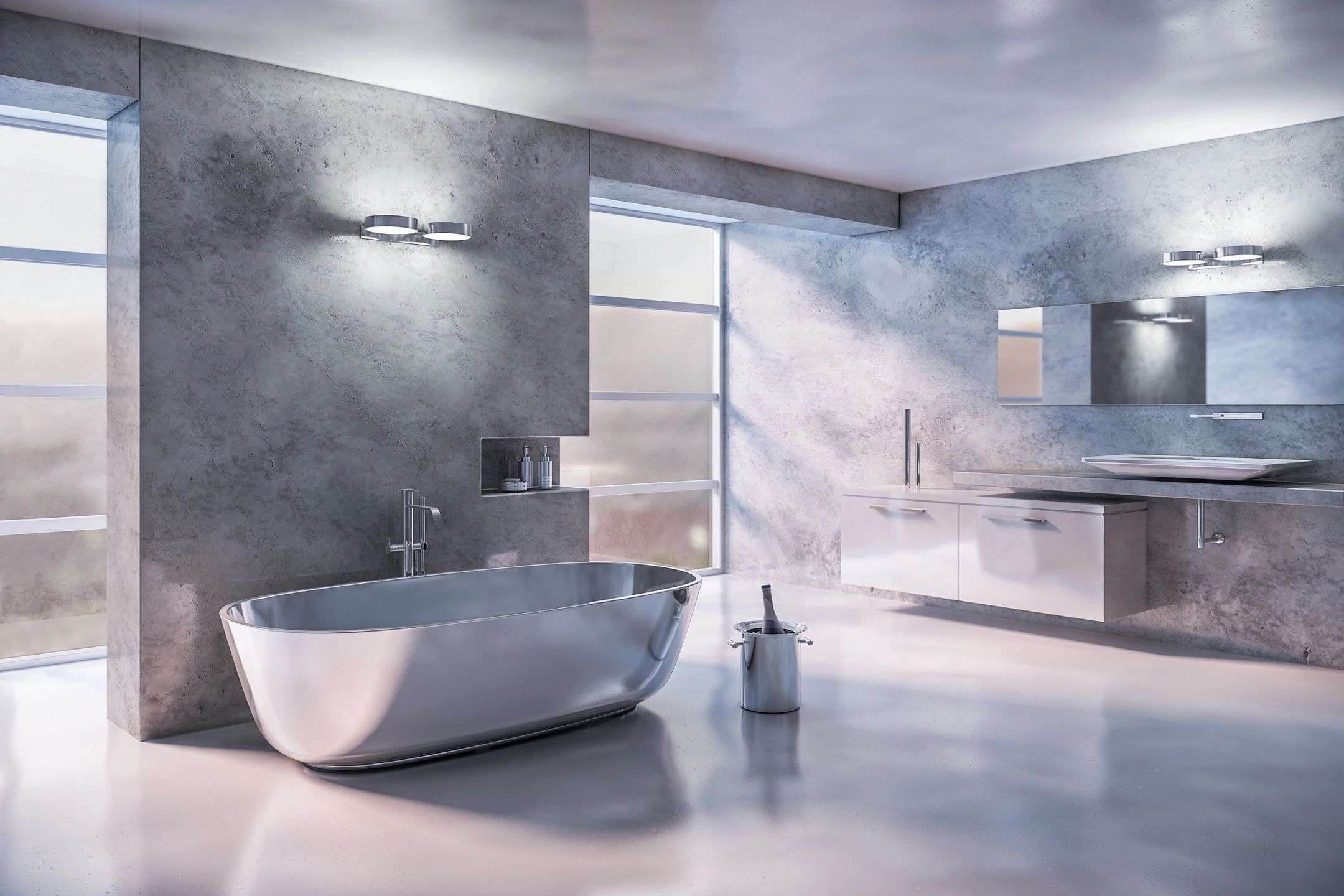
Warm, Textured, Authentically Italian
Travertine
Travertine is one of the world's oldest building materials — used by the Romans to construct the Colosseum and still quarried from the same Italian hills today. Its characteristic warm tones and natural texture create a connection to the ancient world that no modern material can replicate.
Origin
Italy (Tivoli), Turkey, Iran, Mexico
Hardness (Mohs)
3–4
Porosity
Medium–High
Finishes
Filled & Honed, Unfilled, Tumbled, Brushed, Polished
What is Travertine?
Travertine is a sedimentary rock formed by the precipitation of calcium carbonate from mineral-rich spring water. As the water evaporates, it leaves behind layers of calcite that build up over thousands of years into the stone we know today. The characteristic holes and channels in travertine are formed by gas bubbles and organic material trapped during this process.
The most prized travertine in the world comes from Tivoli, near Rome — the same quarries that supplied stone for the Colosseum, St Peter's Basilica, and countless other monuments of Western civilisation. This geological heritage gives travertine a cultural weight that no other stone possesses.
Travertine is available in two main forms: filled (where the natural voids are filled with grout or resin for a smooth surface) and unfilled (where the natural texture is preserved). Each has its own aesthetic and practical applications.
Applications
Pool Surrounds & Outdoor Paving
Travertine is the world's most popular pool surround material. Its natural surface texture provides excellent slip resistance when wet, and its light colour reflects heat rather than absorbing it — making it comfortable underfoot even in the Australian summer sun.
Outdoor Entertaining Areas
Travertine's warm, earthy tones and natural texture create outdoor entertaining areas that feel connected to the landscape. It weathers beautifully over time, developing a character that only improves with age.
Bathroom Flooring & Walls
Filled and honed travertine creates a warm, spa-like atmosphere in bathrooms. Its natural variation and texture add visual interest without overwhelming the space. Pair with timber and brass for a resort-style aesthetic.
Feature Walls & Cladding
Unfilled travertine panels create dramatic feature walls with natural depth and texture. The interplay of light across the stone's surface changes throughout the day, creating a living, dynamic element in any interior.
Varieties We Stock
Add Classic Ivory image
Italy (Tivoli)
Classic Ivory
The quintessential travertine — warm ivory tones with subtle cream and gold variation. The most widely used travertine in the world, and for good reason.
Add Noce (Walnut) image
Italy / Turkey
Noce (Walnut)
Rich walnut-brown tones with cream and gold veining. A warmer, darker travertine that creates a more dramatic effect than classic ivory.
Add Silver image
Turkey
Silver
Cool grey tones with subtle silver variation. A more contemporary travertine that works beautifully in modern, minimalist interiors.
Add Gold image
Iran / Turkey
Gold
Warm golden tones with cream and amber variation. Creates a rich, luxurious effect — particularly beautiful in large-format tiles.
Add Red image
Iran
Red
Distinctive terracotta-red tones with cream veining. A bold, characterful travertine that makes a strong design statement.
Add Walnut Dark image
Turkey
Walnut Dark
Deep chocolate-brown tones with cream and gold veining. The darkest and most dramatic of the travertines — creates a striking contrast with light-coloured fixtures.
Caring for Travertine
Seal thoroughly
Travertine is more porous than granite and requires thorough sealing on installation. Apply two coats of penetrating sealer and reseal annually, or more frequently in high-use areas.
Avoid acids
Like all calcium-based stones, travertine will etch when exposed to acids. Use pH-neutral cleaners and avoid vinegar, lemon juice, and acidic cleaning products.
Fill holes as needed
In filled travertine, the filler material can loosen over time. Re-fill any voids with a colour-matched grout or epoxy filler to maintain the smooth surface.
Clean outdoor travertine regularly
Outdoor travertine should be swept and washed regularly to prevent organic matter (leaves, algae) from staining the surface. A pressure washer on a low setting is effective for periodic deep cleaning.
Frequently Asked Questions
Ready to use Travertine in your project?
Visit our Mulgrave showroom at 71 Roberts Avenue to view our full slab selection, or contact us to book a consultation.